
Favorite Equipment For Concrete Footers Installation Professionals
Equip yourself with trusted tools and materials used by experts to deliver flawless concrete footer foundations.
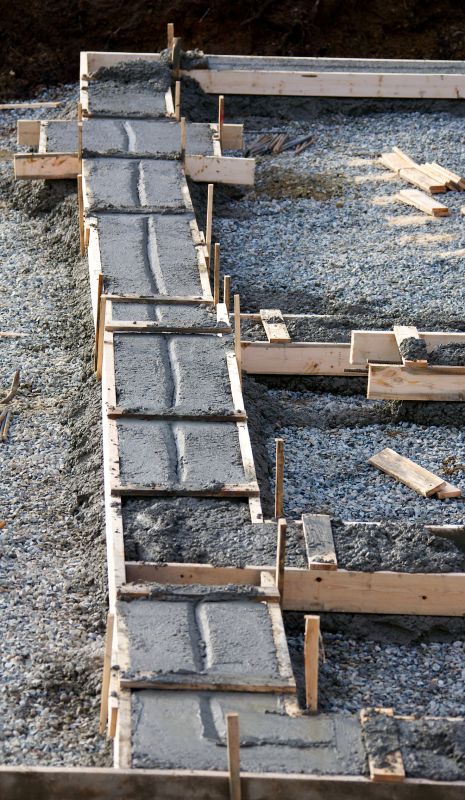 Concrete footers serve as foundational elements that provide stability and support for various structures, including decks, sheds, and small buildings. Proper installation of concrete footers is essential to ensure the longevity and safety of the structure. The process typically involves selecting the appropriate products and materials to create a durable base that can withstand soil movement and environmental factors. From pre-formed forms to reinforcement materials, there are numerous options designed to facilitate accurate and efficient footer installation.
Top Overall Option
Concrete Footer Form System
A versatile concrete footer form system provides a customizable and easy-to-use solution for shaping footers. These forms are typically made from durable materials that withstand repeated use and are designed to fit various sizes and configurations. They help ensure consistent dimensions and a clean finish, simplifying the process for both DIYers and professionals. When combined with reinforcement accessories, they contribute to a stable and reliable foundation.
Types of Products For Concrete Footers Installations
Pre-formed Concrete Forms
Reusable molds that shape the concrete footer, offering consistent dimensions and ease of use.
Filling and Pouring Buckets
Tools designed for controlled pouring of concrete into forms, minimizing spills and waste.
Reinforcement Mesh
Wire mesh or reinforcement bars that strengthen the concrete footer and improve durability.
Vibrators for Concrete
Devices used to eliminate air pockets and ensure proper compaction of the poured concrete.
Leveling Tools
Tools such as screeds and laser levels to achieve a flat, even footer surface.
Support Brackets and Stakes
Accessories that help hold forms in place during pouring and curing.
Form Release Agents
Chemicals applied to forms to facilitate easy removal after concrete sets.
Expansion Joints
Materials inserted to accommodate concrete movement and prevent cracking.
Concrete Mixers
Portable mixers that help prepare the concrete mixture on-site for consistency.
Moisture Barriers
Materials used to prevent moisture transfer from soil to concrete, enhancing longevity.
Anchors and Fasteners
Hardware used to secure structures to the concrete footer once cured.
Form Liners
Decorative or functional liners that create textured finishes on concrete surfaces.
Popular Choices
Flexible forms that can be resized to fit various footer dimensions, offering convenience for different projects.
Durable plastic forms that are lightweight and easy to clean, suitable for multiple uses.
Commonly used reinforcement for added strength in concrete footers.
Handheld vibrators that help eliminate air pockets during pouring.
Tools to spread and level concrete evenly within forms.
Stakes that secure forms firmly in place during concrete pouring.
Materials applied to protect concrete footers from moisture ingress.
Supports that help maintain form shape at corners and edges.
Coverings that help retain moisture during curing for optimal strength development.
Devices used to attach posts securely to concrete footers.
Supports that hold reinforcement bars in the correct position within the form.
Components that hold forms together and maintain shape during concrete curing.
Choosing the right products for concrete footer installation depends on the specific requirements of the project, such as load-bearing capacity, soil conditions, and local building codes. Many products are designed to simplify the process, offering ease of use for DIY enthusiasts and professionals alike. These include forms that shape the concrete, reinforcement materials that add strength, and accessories that ensure proper alignment and stability during pouring.
In addition to the basic components, there are specialized products to address common challenges like uneven terrain, moisture control, and form removal. Quality products are made from durable materials that resist cracking, warping, and deterioration over time. Proper selection and application of these products can result in a solid, reliable foundation for your project, minimizing future maintenance and repair needs.
Investing in reliable and well-designed products for concrete footer installation can streamline the construction process, reduce waste, and improve overall project outcomes. Whether you are constructing a small shed or a more substantial structure, understanding the available options and considerations can help you make informed decisions for a successful installation.
Key Buying Considerations
- Project size and scope to determine the appropriate product dimensions and quantities.
- Material durability and resistance to environmental factors such as moisture and temperature changes.
- Ease of use, especially for DIY projects, including the flexibility and adjustability of forms.
- Compatibility of reinforcement materials with the selected forms and concrete mix.
- Reusability and long-term cost-effectiveness of products like forms and tools.
- Compatibility with local building codes and standards for structural safety.
- Availability of accessories such as support stakes, braces, and release agents.
- Ease of cleaning and maintenance of reusable forms and tools.
- Type of concrete mix being used, including workability and setting time.
- Environmental conditions during installation, such as soil stability and drainage.
- Additional features like waterproofing, insulation, or decorative finishes, depending on project needs.
- Transportability and storage requirements for larger or bulk products.
- Supplier reputation and availability of customer support or warranties.
- Budget constraints balanced with quality and durability of the products.